


Introduction to
Trauma: Emergency Response
What to Expect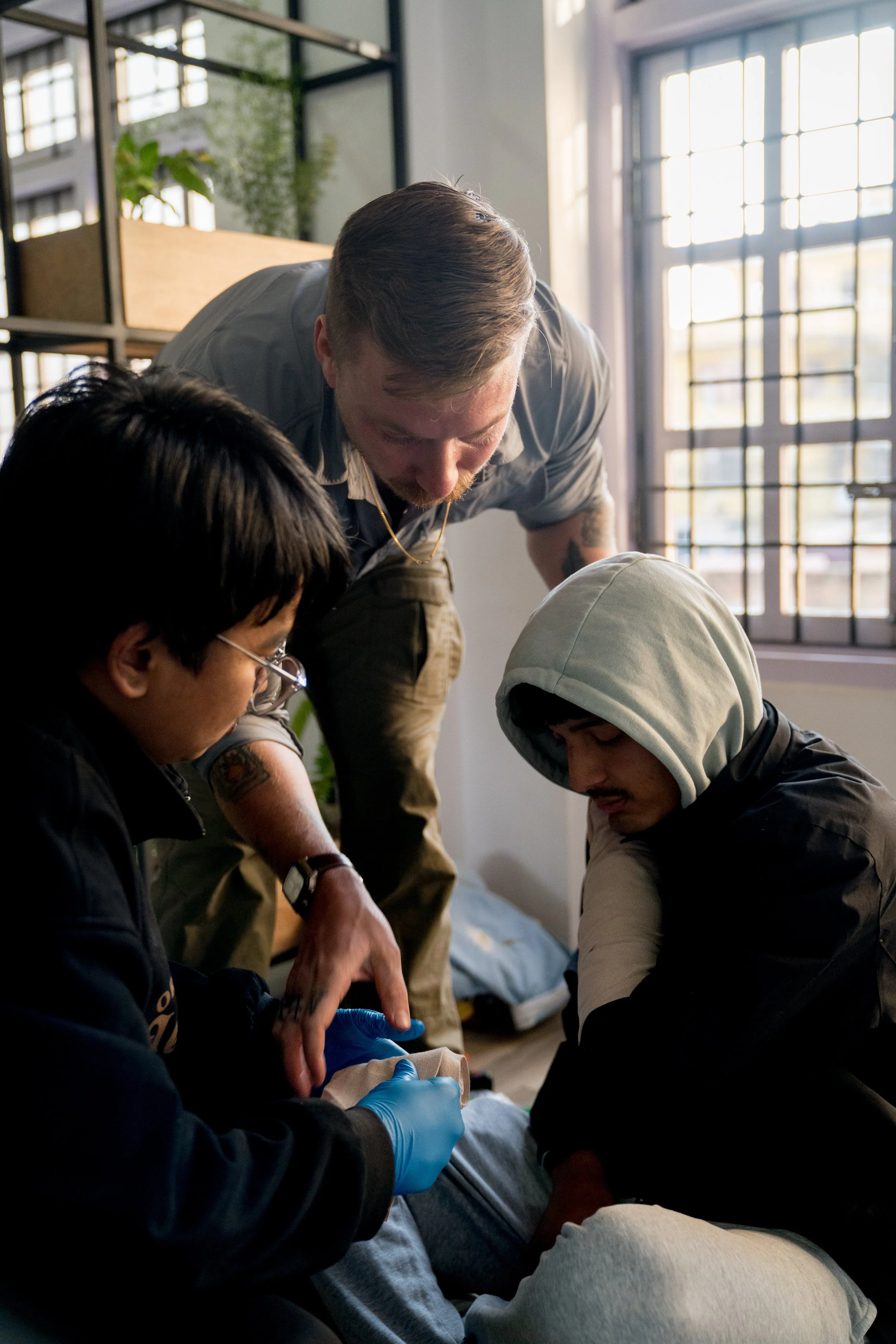
This is a 9-hour, one-day intensive introducing the fundamentals of trauma response. You’ll learn how to identify life-threatening injuries, perform simple, effective interventions, and move an injured person toward definitive care when resources are limited. The course is hands-on, scenario-based, and designed for real-world situations—not classrooms. No medical background required, just a willingness to learn and engage.
❋ Intentional StructureThis course is intentionally structured to balance short teaching blocks with hands-on practice and realistic scenarios. Skills are introduced, practiced, and then reinforced under increasing stress so participants can build confidence, retention, and real-world decision-making ability.
❋ Collaborative EnergyThis course is built on shared effort and mutual respect. Participants learn alongside one another, practice together, and support each other through challenging scenarios—because effective trauma response is never a solo effort.
❋ Expert FacilitationThe course is led by an experienced SARTECH I, Wilderness Medicine Instructor, and Combat Medicine Specialist. Instruction is grounded in real-world experience, evidence-based practice, and years of working in high-risk, low-resource environments.
❋ A Supportive SpaceWhile the material is serious, the learning environment is supportive and respectful. Participants are encouraged to ask questions, make mistakes, and learn at their own pace in a space that prioritizes safety, dignity, and growth.


Our Schedule
Here is a general guideline of how the day will go. Things change as this class is dynamic.
Class Start9:00am
Group Activity11:00am
Lunch Break12:30pm
Class restart1:30pm
Class Finish5:30-6:00pm
Solo Wilderness Wilderness First Aid (WFA)
Solo Wilderness Wilderness First Aid (WFA)
WFA Overview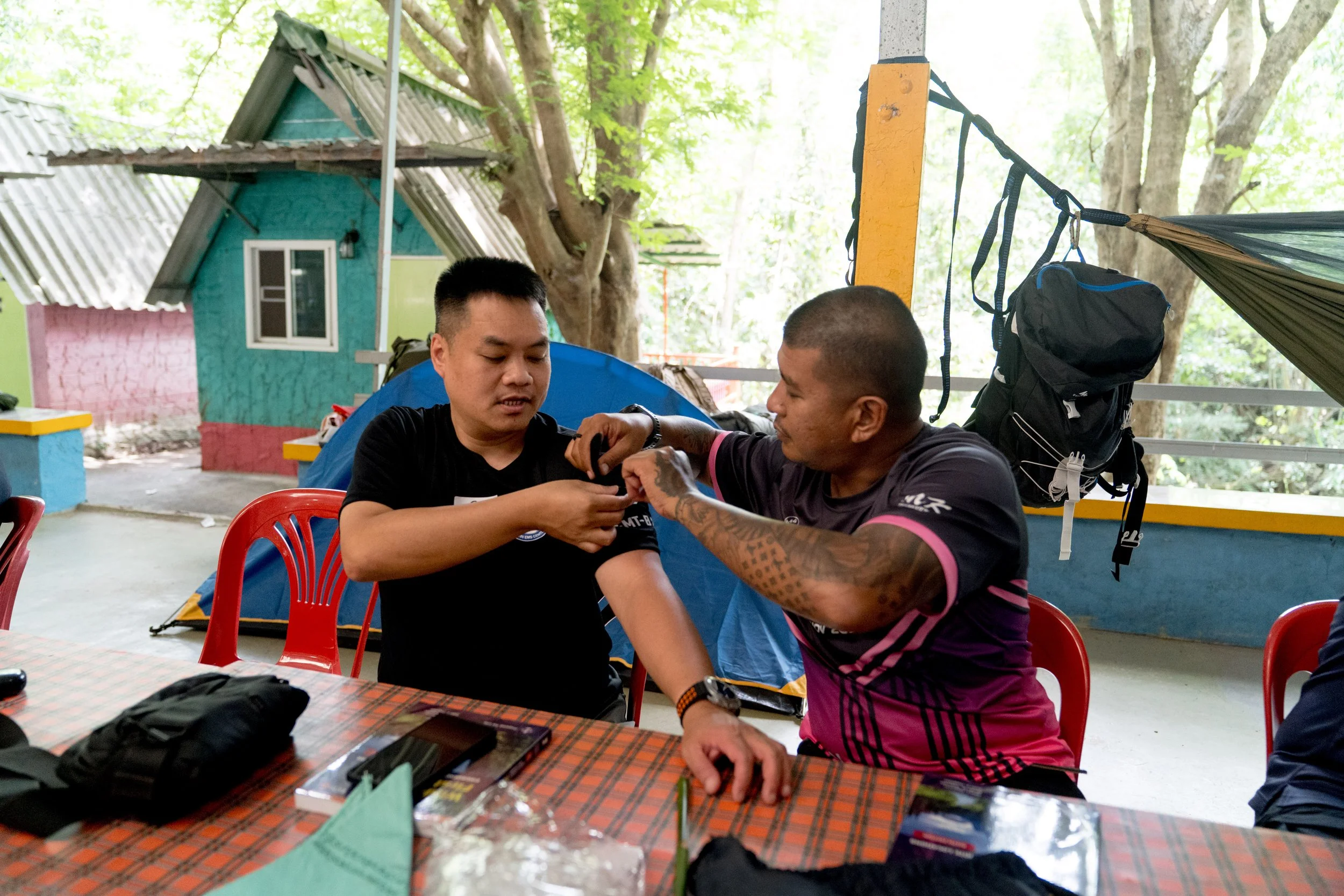
Master the essential skills needed to assess and treat medical emergencies in remote environments.
Whether you are an avid hiker, camp counselor, outdoor enthusiast, or field researcher, the SOLO Wilderness First Aid (WFA) course is the gold standard for backcountry medical preparation. This comprehensive, 24-hour program delivered over 3 days focuses on practical, hands-on skills to help you handle critical situations when emergency services are hours or days away.
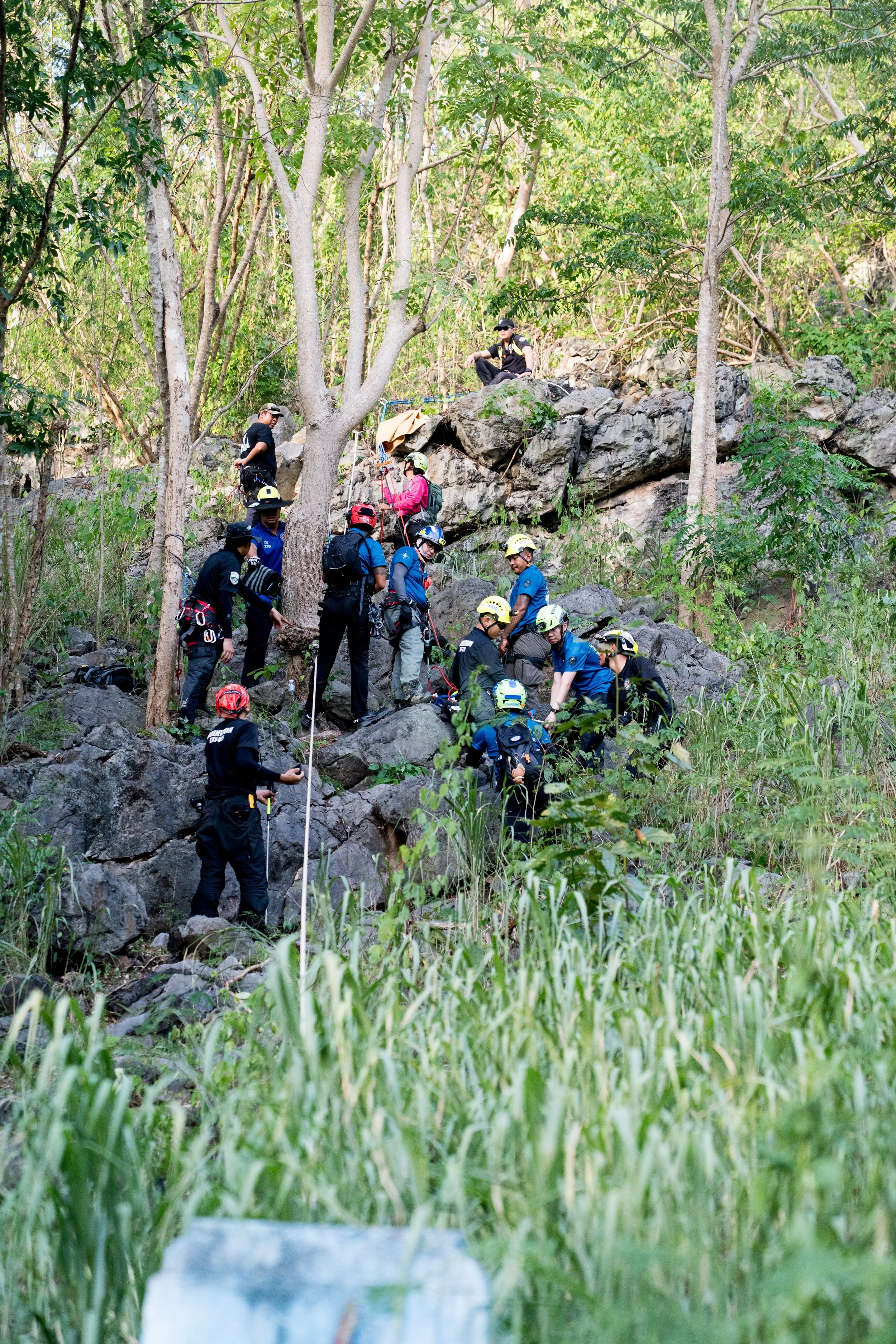
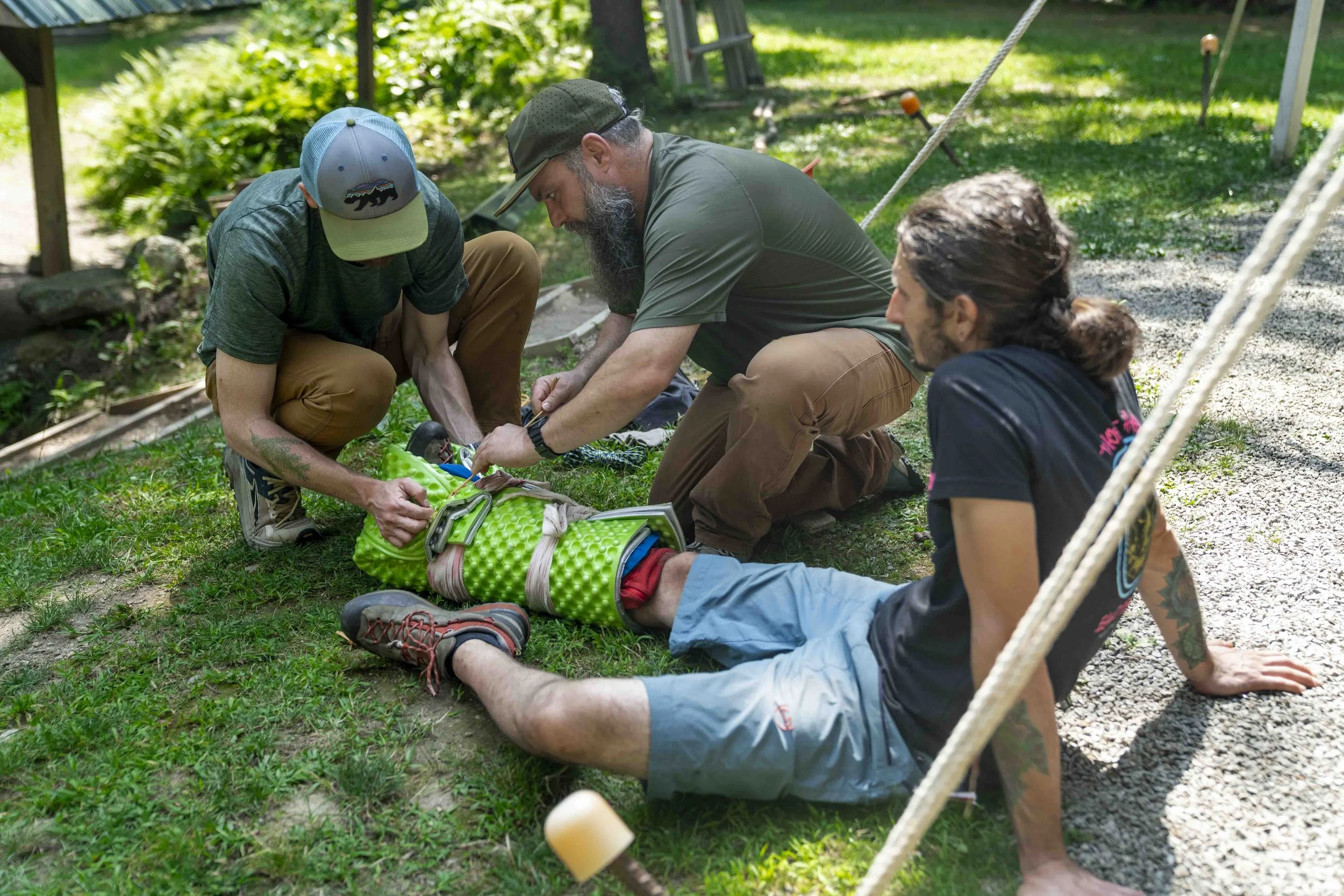
This intensive course strips away the safety net of urban emergency care and teaches you how to stabilize patients using the resources at hand. The curriculum is divided into five core pillars:
Response and Assessment: Learn the anatomy of a crisis, patient assessment systems, how to take SOAP notes, shock management, and safe patient lifting and moving.
Musculoskeletal Injuries: Master the mechanics of the musculoskeletal system, spinal cord injury management, and how to identify and stabilize sprains, strains, and fractures.
Environmental Emergencies & Survival: Prepare for nature’s elements, including hypothermia, frostbite, heat stroke, dehydration, lightning strikes, near-drownings, North American bites/stings, and critical backcountry bivouac survival skills.
Soft Tissue Injuries: Gain vital skills for stopping severe bleeding, proper wound cleaning, infection prevention, advanced bandaging, and treating burns.
Medical Emergencies: Learn to recognize and respond to changes in levels of consciousness, breathing issues (such as severe asthma or allergic reactions), and cardiac events like chest pain and heart attacks.
How It Works-
Contact us to inquire about class dates and location. These are always changing and we are adding more by the day. If you would like a private class, let us know! We will be happy to put your organization on the schedule.
-
Sign up and pay all required fees to reserve your spot. If plans change, you can cancel up to 5 days before the class start to receive a 50% refund.
-
After booking, we'll send you a Welcome Packet with everything you need to know. What to wear, what to bring, and what to expect.
-
We'd recommend taking a look at how far the location is from you and booking the appropriate travel plans. If you are 45 mins late to the course you will not be allowed to join and will not get a refund.
-
Now all that's left to do is prep your packing list, and get ready to learn!